Understanding Dog Behaviour Modification with a Dog Behaviourist in Surrey
- Mimi Jacobson

- Apr 23
- 5 min read
When I first started working with dogs, I quickly realized that understanding their behaviour is key to building a strong, trusting relationship. Dogs communicate in ways that are often subtle and easily misunderstood. That’s why I believe every dog owner should learn about dog behaviour modification and how a professional can help guide both the dog and owner toward harmony. In Surrey, there are experts who specialize in this field, and I want to share what I’ve learned over the years assessing dogs and teaching behaviour modification, about our role, how we work, and why we are so valuable.
What Is Dog Behaviour Modification?
Dog behaviour modification is a process that helps change unwanted behaviours in dogs by understanding the root causes and applying consistent, positive techniques. It’s not about punishment or dominance but about teaching dogs what is expected of them in a calm and assertive way using body language and energy.
For example, if a dog is barking excessively, a behaviourist will look beyond the barking itself. They will explore why the dog is barking - is it fear, boredom, or a lack of exercise? Then, they will design a plan that might include:
Teaching the dog to relax on cue
Increasing physical and mental stimulation
Changing the owner’s response to the barking
This approach helps the dog learn new habits that replace the old, unwanted ones. It’s a gradual process that requires patience and consistency from the owner.
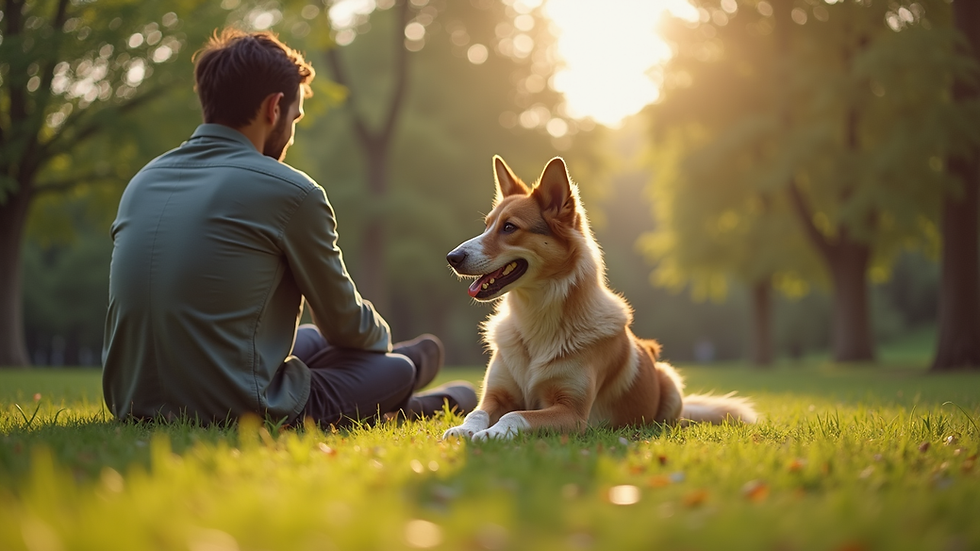
How Dog Behaviourists Help with Dog Behaviour Modification
A dog behaviourist is a professional trained to assess and modify dog behaviour problems. They have a deep understanding of canine psychology and communication. When you work with a dog behaviourist, you get more than just training tips - you get a tailored plan that fits your dog’s unique personality, breed, and characteristics.
Here’s what a dog behaviourist typically does:
Assessment - They observe you and your dog’s behaviour in different situations to identify triggers and patterns.
Education - They teach you how dogs think and communicate, helping you communicate better, and become a calm and assertive leader.
Training Plan - They create a step-by-step plan to address specific issues like fear aggression, anxiety, or disobedience.
Support - They provide ongoing guidance and adjust the plan as your dog progresses.
For example, if you have a rescue dog who is fearful of strangers, a behaviourist will help you understand the dog’s past experiences and teach you how to build trust gradually. This might include controlled socialization exercises and positive reinforcement techniques.
If you live in Surrey, you can find a Dog Behaviourist in Surrey who understands the local environment and common challenges faced by dogs in this area.
How Expensive Is a Dog Behaviourist?
One of the most common questions I get is about the cost of hiring a dog behaviourist. The price can vary depending on several factors:
Location - Services in Surrey might be priced differently than in other regions.
Experience - More experienced behaviourists often charge higher fees. ($2K-$5K)
Session Length - Some offer one-hour consultations, while others provide longer or multiple sessions. Private 2 hr sessions or Board & Train
Follow-up Support - Packages that include follow-up visits or phone support may cost more.
On average, you can expect to pay between $100 and $350 per session. Some behaviourists offer packages that reduce the cost per session if you commit to multiple visits. Remember, investing in professional help can save you money and stress in the long run by preventing behaviour problems from escalating, and saving your reno cost and private belongings from total destruction.
If budget is a concern, ask about group classes or workshops that focus on dog obedience and pack leadership. These can be more affordable and still provide valuable education.

Why Calm Assertive Leadership Matters
One of the most important lessons I’ve learned is that dogs respond best to calm assertive leadership. This means being confident and consistent without being harsh or aggressive. Dogs are pack animals, and they look to their human leaders for guidance and security.
Here are some tips to practice calm assertive leadership:
Stay consistent - Use the same commands and rules every day and avoid repetitive use and proper follow-up.
Be patient - Change takes time, and dogs need to feel safe to learn.
Use positive reinforcement - But balance it with boundaries by ignoring bad behaviour and rewarding good behaviour with treats, praise, or play.
Avoid yelling or punishment - This can increase fear and aggression. And dogs learn by example, so the louder you yell, the more the dog will bark.
Set clear boundaries - Let your dog know what is acceptable and what is not using sound, touch and body blocking.
By leading with calm confidence, you help your dog feel secure and more willing to follow your guidance. This approach is especially important when rehabilitating rescue dogs who may have experienced trauma or neglect.
Teaching Obedience and Pack Leadership
Obedience training is a foundation for good behaviour and proper etiquette, but it’s not just about commands like “sit” or “stay.” It’s about building a relationship based on respect and trust. Pack leadership classes can help you understand your dog’s natural instincts and how to channel them positively so not just dogs respect them, but friends and family welcome them over anytime.
In these classes, you will learn:
How to read your dog’s body language
Ways to communicate clearly and effectively
Exercises that promote cooperation and focus
Techniques to manage common behaviour issues
For example, teaching your dog to walk calmly on a leash without pulling is not just about control. It’s about showing your dog that you are the leader who keeps them safe and guides them through the world. This starts in puppyhood, in the home long before you pick up the leash.
If you have a rescue dog, these classes can be especially helpful in rebuilding trust and teaching new social skills.
Final Thoughts on Working with a Dog Behaviourist
Understanding your dog’s behaviour is a journey that requires time, patience, and the right knowledge. A professional dog behaviourist can be an invaluable partner in this process. They help you see the world through your dog’s eyes and teach you how to lead with calm assertive leadership.
Whether you are dealing with a specific behaviour problem or simply want to strengthen your bond, investing in dog behaviour modification is one of the best things you can do for your dog’s happiness and well-being.
If you are in Surrey and looking for expert guidance, consider reaching out to PackLeader Academy to start your journey toward a more peaceful and joyful life with your dog. Remember, every dog deserves a leader who understands them and helps them thrive.
By embracing these principles, you not only improve your dog’s behaviour but also deepen the friendship that makes dog ownership so rewarding.
Mimi Jacobson C.P.D.T / A.B.C


Comments